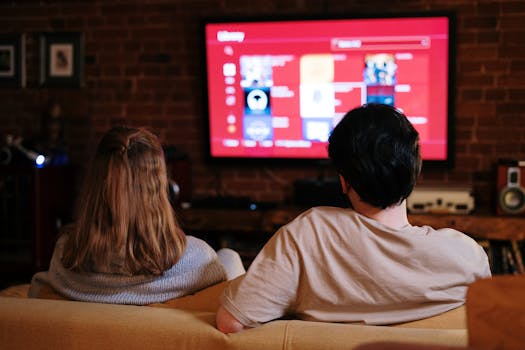
Picture this: you’re deep into the climactic scene of your favorite blockbuster. The explosions are rattling your bones, the dialogue is crystal clear, and you’re utterly transported. Suddenly, a neighbor’s dog barks, or worse, your teenager’s questionable music choices bleed through the wall, yanking you out of the cinematic spell. Frustrating, right? It’s a common lament for home theater enthusiasts. You’ve invested in the big screen, the booming sound system, and the plush seating, but have you considered the unsung hero of truly immersive entertainment? We’re talking about home theater insulation, and let me tell you, it’s not just about keeping things warm; it’s about creating a sonic sanctuary.
Why Your Home Theater Hears More Than It Should (And How to Fix It)
Many of us, in our quest for the ultimate movie-watching experience, forget that sound is a physical entity. It travels, it bounces, and it, unfortunately, leaks. Without adequate soundproofing, your epic movie nights can become a symphony of domestic disruptions for everyone else in the house, and vice-versa. That subtle hum of the HVAC system, the distant traffic, or even the thud of footsteps from upstairs can all conspire to degrade your carefully crafted audio-visual experience. This is where strategic home theater insulation steps onto the stage, ready to perform its magic. It’s not just about dampening noise; it’s about controlling sound within your designated space, ensuring that what happens in your home theater, stays in your home theater.
Unlocking Acoustic Bliss: More Than Just a Blanket Statement
When we talk about insulation for home theaters, we’re not just talking about the fluffy pink stuff you might find in an attic. While that can play a role, the real stars are materials designed specifically for acoustic performance. These materials are engineered to absorb sound energy, preventing it from reflecting off hard surfaces and creating echoey, muddy audio. They also act as a barrier, significantly reducing the transmission of sound waves through walls, floors, and ceilings. Think of it as building a meticulously designed acoustic bubble around your entertainment haven. This can dramatically improve the clarity and impact of your audio, allowing you to truly appreciate the nuances of a film score or the visceral punch of an action sequence without external interference.
The Insulation Options: From Budget-Friendly to Blockbuster
So, what are your choices when it comes to fortifying your home theater walls?
#### Batt and Roll Insulation: The Classic Choice
This is the most common type of insulation, and it’s certainly a step up from bare drywall. Made from fiberglass, mineral wool, or even natural fibers, batt and roll insulation comes in pre-cut sections that fit snugly between wall studs, floor joists, and ceiling rafters.
Pros: Relatively inexpensive, widely available, and provides a decent level of thermal and acoustic insulation. It’s a good starting point for many DIY projects.
Cons: Not the most effective at blocking low-frequency sounds (think deep bass rumbles). Its effectiveness can also be compromised if not installed perfectly, leaving gaps.
#### Blown-In Insulation: Filling Every Nook and Cranny
Blown-in insulation, often made from cellulose (recycled paper) or fiberglass, is blown into cavities using specialized equipment. This method is fantastic for filling irregular spaces and ensuring there are no gaps for sound to escape or enter.
Pros: Excellent at filling all the nooks and crannies, providing a more consistent and effective barrier against sound transmission than batts. Often made from recycled materials, which is a nice eco-friendly bonus.
Cons: Requires professional installation for optimal results, which can increase the cost.
#### Mineral Wool Insulation: The Heavy Hitter
Mineral wool (also known as rock wool or slag wool) is a denser material than fiberglass and is particularly renowned for its superior fire resistance and acoustic properties. It’s a favorite among audiophiles and home theater designers for a reason.
Pros: Excellent sound absorption, superior fire resistance, and doesn’t absorb moisture as readily as some other types. It’s a fantastic choice for serious soundproofing.
Cons: Generally more expensive than fiberglass or cellulose insulation. It can also be a bit more difficult to work with due to its density.
#### Spray Foam Insulation: The Ultimate Seal
For the absolute best in sound dampening and air sealing, spray foam insulation takes the cake. It expands to fill every void, creating an airtight and seamless barrier.
Pros: Unmatched air sealing capabilities, which significantly reduces airborne sound transmission. Excellent thermal insulation. It’s like giving your theater room a cozy, soundproof hug.
Cons: The most expensive option by a significant margin. Requires professional installation and can be tricky to remove if you ever need to access wall cavities. It’s a commitment, but one that pays dividends in peace and quiet.
Beyond the Walls: Don’t Forget the Doors and Windows!
Even the most meticulously insulated walls can be undone by a leaky door or window. Think of them as the Achilles’ heel of your home theater’s soundproofing.
Doors: Solid core doors are infinitely better than hollow core doors for sound insulation. Adding weatherstripping around the frame and a door sweep at the bottom can make a dramatic difference. Consider an additional acoustic door seal for maximum effect.
Windows: If you have windows in your home theater space, consider using heavy, acoustic-grade curtains. For more dedicated setups, double or even triple-paned windows with a significant air gap between the panes are ideal. Sometimes, the best solution is simply to avoid windows altogether in your dedicated home theater room.
The Sweet Sound of Silence (and Great Audio)
Investing in home theater insulation isn’t just about preventing noise complaints; it’s about enhancing your entire entertainment experience. It’s about creating a controlled environment where the sound engineers and directors intended for you to hear their work. When you properly insulate, you’re not just adding a layer of material; you’re building a fortress against distraction and a sanctuary for sonic immersion. So, the next time you’re planning an upgrade, don’t just think bigger screen or louder subwoofer. Think about what’s behind the screen, what’s in the walls. Because in the world of home theaters, the quietest investment often yields the most spectacular results.
Wrapping Up: Embrace the Quiet for Ultimate Audio
Ultimately, the journey to a truly transformative home theater experience hinges on mastering the acoustics of your space. While the flashing lights and booming bass are what draw us in, it’s the subtle art of home theater insulation that ensures those experiences remain pure and undiluted. Don’t let the outside world, or even the rest of your house, intrude on your carefully curated cinematic escape. Invest wisely in soundproofing your sanctuary, and you’ll be rewarded with an audio-visual performance that truly sings – or, perhaps more importantly, thunders – without a whisper of complaint from anywhere else.